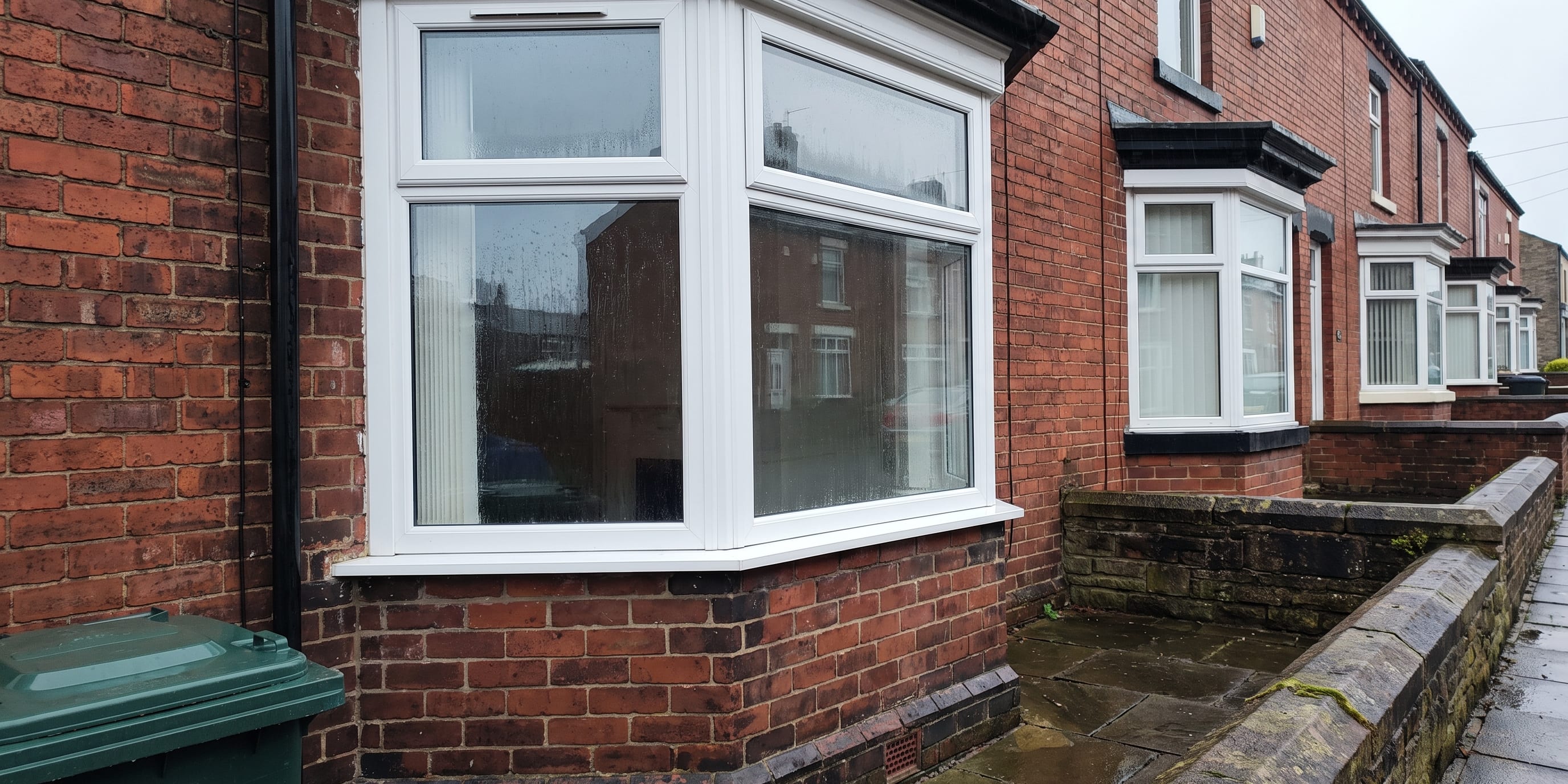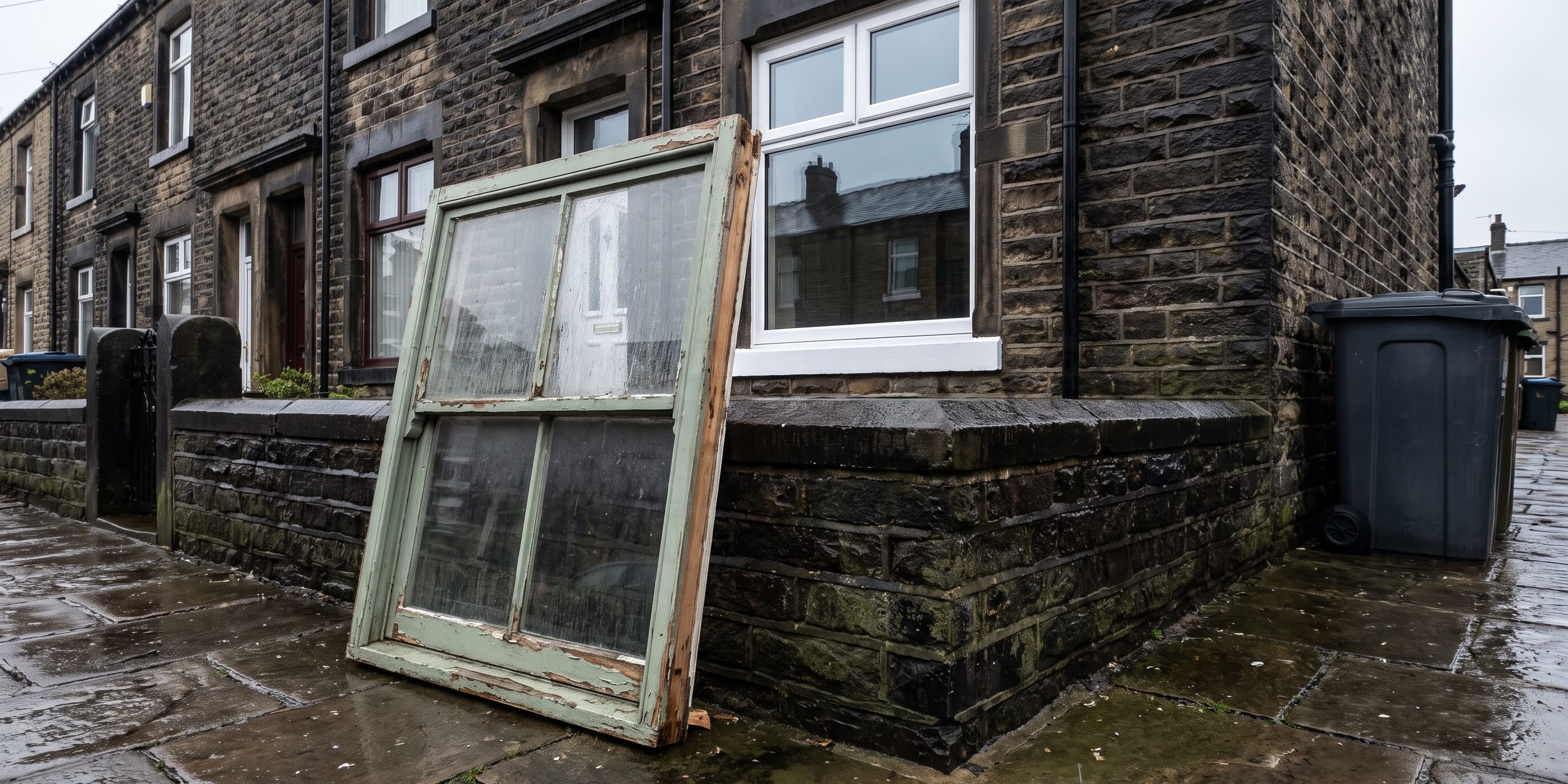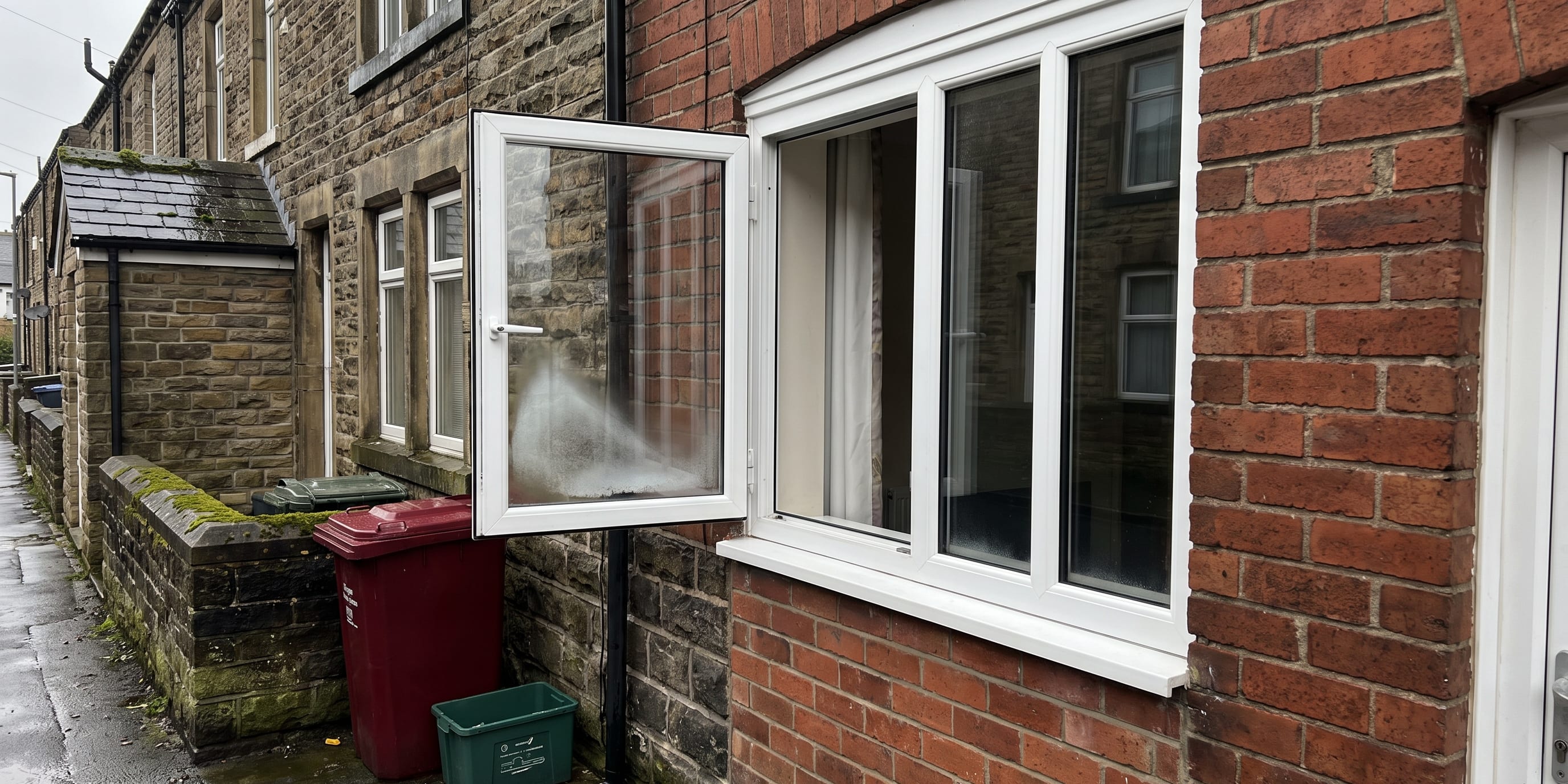
Can uPVC Windows Be Fitted in Winter? A Lancashire Guide
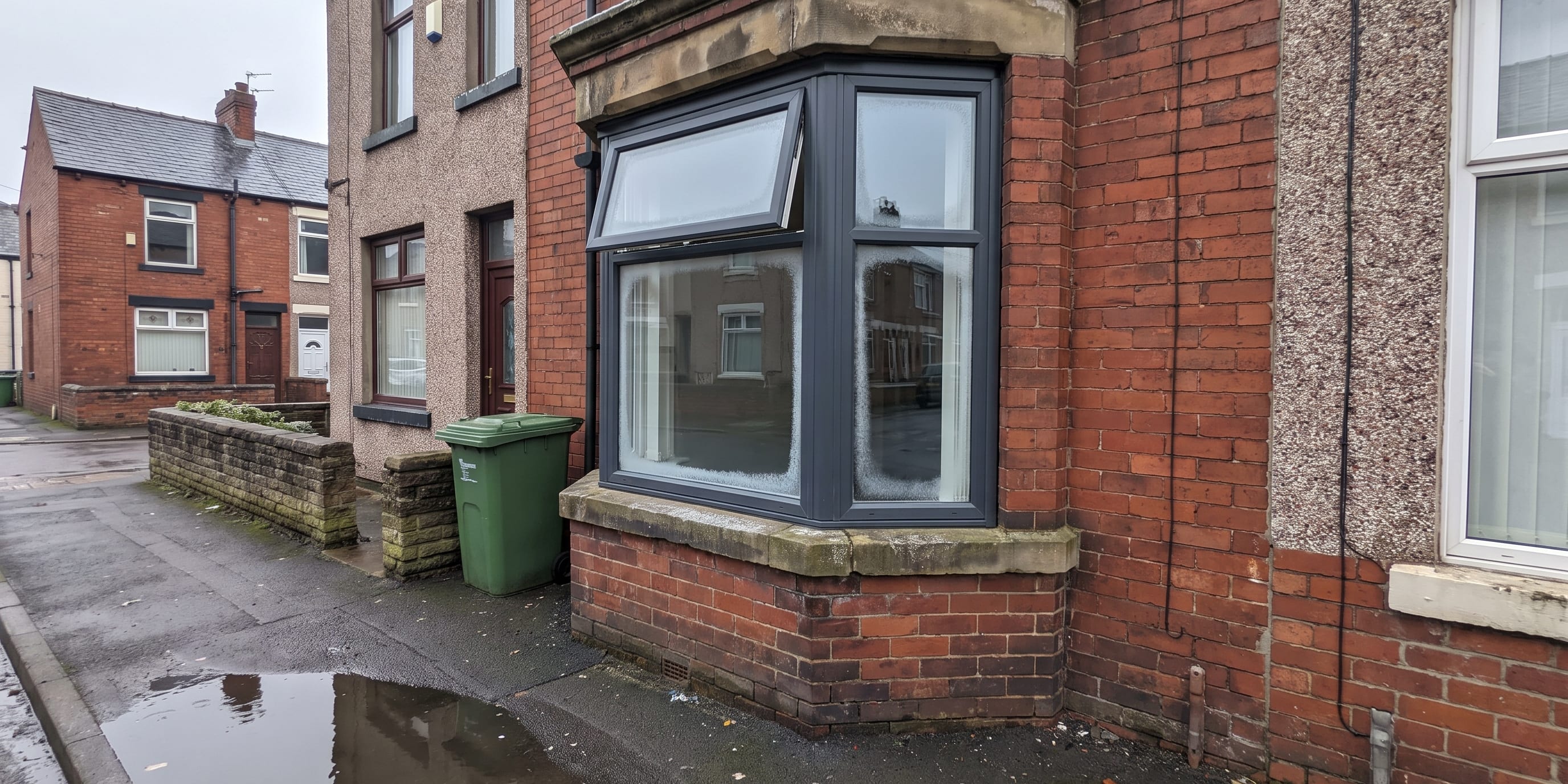
Every autumn the same question turns up: is it worth waiting until spring? Nobody wants a hole in the front of the house in January, and there is a reasonable worry underneath the question. Will the sealant go off properly? Will the house be freezing all day? Will a job done in bad weather come back to bite you in two years' time?
The short answer is yes, uPVC windows can be fitted in winter, and they are fitted in winter all over East Lancashire every year. The longer answer is that winter installation has real limits, and a fitter who takes those limits seriously will sometimes change the order of the day or start an hour later. That is not a problem with winter fitting. That is winter fitting done properly.
What genuinely stops work, and what does not
Cold on its own is rarely the issue. What matters is moisture, frost and wind.
Frost on the opening. Once the old frame is out, the brickwork and the internal reveal need to be dry and frost free before anything is sealed to them. Nothing adheres to ice. If there is a hard overnight frost on an exposed elevation, the sensible move is to start on the sheltered side of the house and come back to the frosty side once the sun has been on it for a couple of hours.
Driving rain. Steady drizzle is manageable. Horizontal rain coming off the Pennines is not, because water is being pushed straight into an open aperture and into the room behind it. That is a call made on the morning, not the week before.
Strong wind. A large glazed unit or a wide sealed frame is effectively a sail. Above a certain wind strength, lifting one into an upper floor opening stops being safe for the crew and stops being safe for the glass. High wind days get reshuffled.
Snow and ice underfoot. Scaffold boards, ladders, driveways and steps all become a genuine hazard, and this is one of the more common reasons a Lancashire winter date moves by a day or two.
What you will notice is that none of those are about the thermometer. A dry, still, three degree morning is a perfectly good fitting day. A mild, wet, gusty one is often worse.
Sealant and foam: the parts that care about temperature
This is where the technical answer lives, and it is worth understanding because it is the part most homeowners are right to ask about.
Silicone sealant. The low modulus silicones used around window perimeters cure by reacting with moisture in the air. Cold air holds less moisture and slows that reaction down, so a bead that skins over in under an hour in summer can take considerably longer in winter, and full cure through the depth of the bead takes longer still. Most manufacturers give an application temperature range on the datasheet, commonly starting around five degrees, with some products rated lower. The practical consequences are simple: the substrate must be dry, cartridges are kept somewhere warm rather than in the back of a cold van overnight, and you should not be scrubbing at a fresh bead the same evening.
Expanding polyurethane foam. Standard gun foams also want warmth to expand and cure at the expected rate. Below their stated minimum, a standard foam can under expand, cure unevenly or fail to bond, which is exactly the sort of hidden fault that shows up later as a draught. Winter grade foams are made for this and are rated for application well below freezing, and the can itself needs to be at working temperature even if the air is not. Again, the surface has to be free of frost and standing water for the foam to key to it.
None of this makes winter fitting a gamble. It makes it a job where product choice and preparation matter more than they do in July.
How heat loss is kept down on the day
The picture people have in their head is the whole front of the house open to the weather for eight hours. That is not how the work runs, and heat loss on fitting day is far more controllable than it sounds.
Openings are taken out one at a time. The old frame comes out, the new frame goes straight in, is packed, fixed and made weathertight, and only then does the next window get touched. At any given moment the house has one opening exposed, not five, and each one is typically open for a fairly short stretch rather than the whole day.
Alongside that, a few straightforward things cut the heat loss further:
- Internal doors to the room being worked on stay shut, so the cold stays in one room instead of pulling through the hallway.
- Dust sheets and protective boards go down before anything comes out, which also reduces the draught across the floor.
- Furniture is moved back from the opening beforehand so there is no delay once the frame is out.
- It is worth keeping the heating on, but turning the radiator in the working room down while its window is out, then back up once the new frame is in and sealed.
- Rooms are worked through in an order that suits the house, so the room you actually need to sit in is not the last one finished.
Most people find the house feels cold for part of the day and is back to normal by the evening. A day or two of slower curing on an external bead is a fair trade for not spending another winter with draughty frames.
Why one crew, one job at a time, matters more in winter
In summer, a company juggling several jobs through subcontracted fitters can usually get away with it. In winter it starts to show.
When the same small crew does one installation at a time, with no subcontractors, two useful things follow. First, scheduling is honest. If a storm pushes your date back, you are talking to the people who will actually be at your house, and your job is not being slotted behind three others to make up lost time. Second, the fitter who surveyed the opening is the one dealing with whatever is behind the old frame when it comes out, which in a Lancashire winter might be a soaked timber sub frame or a reveal that needs drying before it can be sealed. There is nobody to hand that problem to, so it gets solved rather than covered over.
Paying by the job and moving on encourages speed. Doing one house at a time does not. That difference is worth more in February than in August.
FENSA registration: the same standard, whatever the month
Building Regulations do not relax in winter. Replacement windows in England must meet the thermal performance requirements in Part L, along with requirements covering ventilation, safety glazing in critical locations and, in certain rooms, means of escape.
A FENSA registered installer self-certifies that the work complies and registers the installation, so you receive a FENSA certificate for your records. That matters practically rather than abstractly: it is the document a buyer’s conveyancer asks for when you sell, and it is your evidence that the work was compliant. The season it was fitted in is irrelevant to the certificate, which is precisely the point. A winter install is held to the same standard and documented the same way.
The ten year insurance-backed guarantee
There is one worry left, and it is fair. What if something to do with the cold does cause a problem later?
The work carries a ten year insurance-backed guarantee, and the important word is insurance-backed. A plain guarantee is only as good as the company standing behind it. An insurance-backed guarantee is underwritten, so your cover survives even if the installer is no longer trading years down the line.
For winter specifically, that is the reassurance that matters. If a perimeter seal fails, if a foam joint turns out to have cured unevenly, if a draught appears at a reveal, you are covered for a decade. You are not relying on goodwill or on remembering which fitter was on site. That guarantee is also why nobody sensible cuts corners on a cold day. Cold weather shortcuts come back as callbacks, and callbacks cost the installer, not you.
Booking a winter slot in East Lancashire
Winter is the quieter end of the year for window fitting, and there are advantages to that. Lead times between survey and installation are usually shorter than in the spring rush, and there is more flexibility to work around your week rather than squeezing you into the one date left. If a storm blows through Burnley, Accrington, Blackburn or the Ribble Valley and a day has to move, there is room in the diary to move it properly instead of sending a rushed crew out in the wind.
The process does not change with the season. Every job starts with a home visit to measure the actual openings and look at what is behind them, followed by a written quote you can keep and compare. Quotes are not given over the phone. Nobody can price a window they have not seen, and that is doubly true in winter, when a survey is also the chance to spot a rotten timber sub frame or a damp reveal that will need attention on fitting day.
If you are weighing up whether to wait for spring, it is worth getting the survey done now so you have a written price in hand either way. You can see the frames, the glazing options and the full specification of our replacement windows on the REHAU system and arrange a home visit from there.
Questions
Frequently Asked Questions
Can uPVC windows be fitted in freezing temperatures?
Fitting can go ahead in cold weather, but frost changes the method. Sealants and expanding foams will not bond to a frozen or frosted surface, so the opening has to be dry and frost free before anything is sealed. Hard frost on the reveals usually means starting later in the morning rather than cancelling the day.
How long is my house open to the cold during a window replacement?
Only one opening is taken out at a time. A typical single window is out and the new frame is in within a fairly short stretch of the morning or afternoon, and internal doors stay shut so the cold stays in one room rather than travelling through the house.
Will a winter installation affect my guarantee?
No. The ten year insurance-backed guarantee applies in the same way whatever month the work is done. If a seal or a joint fails later, the season it was fitted in does not change your cover.
Is winter a cheaper or quicker time to have windows fitted?
Winter is generally a quieter period for window fitting, so lead times from survey to installation tend to be shorter. Availability is easier rather than the work being rushed, and prices are based on the job, not the month.
Do I need a FENSA certificate for windows fitted in winter?
Yes, the same as at any other time of year. Replacement windows in England have to meet Building Regulations, and a FENSA registered installer self-certifies that work and registers it so you receive a certificate for your records.