
Discoloured uPVC Window Frames: Clean or Replace?
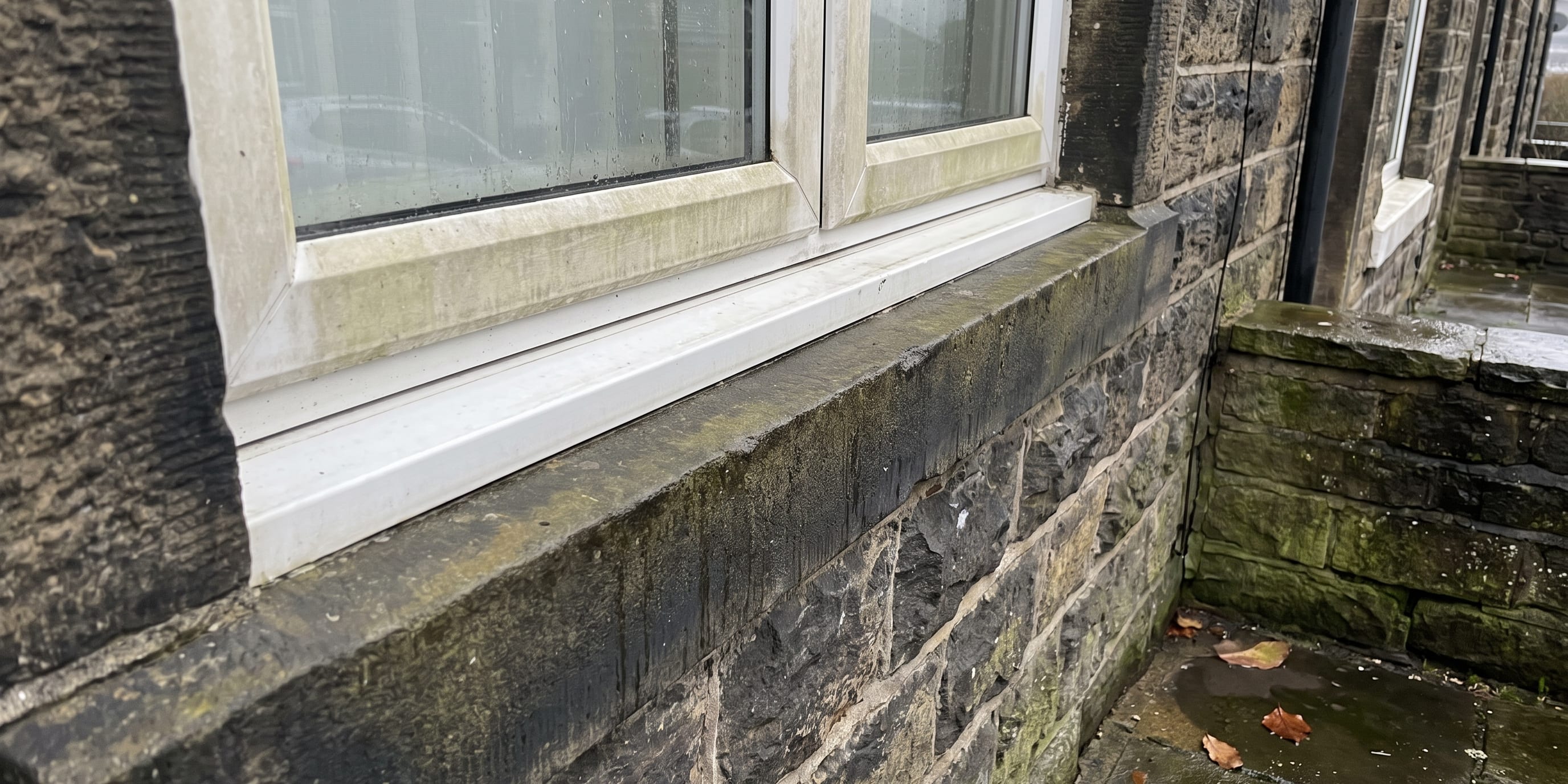
Discoloured uPVC Window Frames: Can They Be Cleaned, or Is It Time to Replace Them?
Most homeowners with older windows will recognise the moment. You wash a frame properly, with hot water and a decent cleaner, and stand back expecting it to look new again. It looks cleaner. It does not look white. Next to fresh render or a new front door, it still reads as faintly yellow, or grey in a way you cannot quite scrub out.
At that point you have a choice to make, and most of the advice online will only tell you half of it. Cleaning guides assume every problem with discoloured uPVC window frames is a cleaning problem, and that you simply have not found the right product yet. That is true some of the time. It is completely untrue the rest of the time, and buying your fourth bottle of restorer will not change which category you are in.
This piece is about telling the two apart before you spend money, either on treatments or on a quote for new windows.
Two different problems that look similar from the pavement
uPVC discolours for two reasons, and they are not variations of the same thing.
The first is surface contamination. Frames sit outside collecting airborne dirt, traffic film, pollen, algae, moss spores and runoff from whatever is above them. On a slightly weathered surface this builds into a film that reads as grey, green or brownish yellow. North facing elevations tend to go green. Frames near a busy road tend to go grey. Frames under a leaking gutter get streaked. All of it sits on top of the plastic, and all of it can come off.
The second is degradation of the plastic itself. uPVC is stabilised against ultraviolet light when it is manufactured, but that protection is finite. Over many years of direct sun the very top layer of the profile breaks down. The surface loses its original smooth, slightly glossy finish and becomes microscopically rough and porous, which is why old frames feel chalky and start attracting dirt faster than they used to. Alongside that, chemical changes in the material shift the colour towards yellow or a dull cream.
This second type is not a stain. There is nothing sitting on the surface to remove. The colour has changed within the material, which is why south and west facing windows on the same house are often visibly yellower than the north facing ones, and why the sheltered underside of a sill can still look white when the top face does not.
The hidden test patch
Before you buy anything, spend twenty minutes finding out which problem you actually have.
Pick a spot on the frame that has been protected from direct sunlight but exposed to the same general grime. Good candidates include the underside of the outer sill, the section of frame that sits behind an open casement, the rebate you can see when the window is swung open, or the inside face of the opening sash where it meets the frame. These areas have the same age and the same weather but far less UV.
Clean a small test patch there thoroughly. Warm water, a mild detergent, a soft cloth, some patience. Then clean an equally small test patch on the most sun exposed part of the same window, typically the top face of the outer frame or the sill.
Now compare the two, ideally in daylight rather than under a bulb.
If they match, your problem is dirt. The whole frame will come up to the same colour with a proper clean, and you have found a maintenance job rather than a replacement job.
If the sheltered patch is noticeably whiter than the sun exposed one, even though both are now genuinely clean, the difference you are looking at is UV degradation. That is the true condition of the plastic. Nothing you apply will bring the sunlit section back to match the sheltered one, because the sheltered one is what the material used to be.
It is worth doing this on more than one window. Houses rarely age uniformly, and a back elevation in shade can be perfectly serviceable while the front is well past it.
Why some discolouration is permanent
This is the part cleaning blogs skirt around, because there is no product to recommend at the end of it.
When the surface layer of uPVC has broken down, three things have happened at once. The colour has shifted inside the material. The original factory finish, which was smooth and sealed, has become porous. And that porosity means dirt now embeds rather than sitting on top.
Abrasive restorers and aggressive chemical cleaners can appear to work for a while, because they take off the worst of the degraded, dirt filled top layer. What you are actually doing is sanding the surface, whether the bottle uses that word or not. You expose slightly fresher material underneath, it looks better for a season, then it weathers faster than before because you have removed what remained of the protective outer skin. Each round is shorter lived than the last. Bleach based cleaners have a related problem: they lift organic staining well, but repeated use on an already weathered surface tends to leave it duller and more absorbent than when you started.
None of this means you should never clean uPVC. Routine washing with mild detergent is genuinely worthwhile, keeps sound frames looking their best and does no harm. The distinction is between maintaining good plastic and trying to chemically reverse a permanent change in plastic that has aged out.
Doing the sums on repeated treatments
Cleaning products are cheap individually, which is exactly why the cost creeps up unnoticed.
Think about what the pattern actually looks like on frames that have degraded. A specialist restorer, applied to every window in the house, perhaps a couple of times a year to keep ahead of it. Add the time, which for a full house including anything above ground level is not a morning. Add the risk of working at height, or the cost of paying someone else to do it. Then accept that the finish is temporary by definition, and that the interval between treatments shortens as the surface gets more porous.
Run that forward five or ten years and it stops being trivial spending. It is a recurring cost with no end point, chasing an appearance you never quite reach, on frames that are also ageing in other ways. Old gaskets harden and shrink. Hinges and handles wear. Failed double glazed units mist up. Single point locking on older windows is a security consideration as well as a comfort one.
Replacement is a single, larger, finite cost that resolves all of those at once and resets the clock on appearance. Whether it is the right call depends on your circumstances, but it deserves to be compared against the running total of the alternative rather than against the price of one bottle.
Where guarantees stand on colour change
Homeowners often assume discolouration must be a defect and therefore someone else’s problem. Check before you count on it.
Guarantees on windows typically come in layers. There may be a product guarantee from the manufacturer covering the uPVC itself, and separately an installation guarantee from the company that fitted them covering workmanship. Terms differ between companies and between eras, so the only document that matters is the one in your file.
Two things commonly limit a claim. First, many guarantees treat gradual colour change from weathering as expected behaviour rather than a fault, while covering things like warping, cracking or profile failure. Second, and more decisively for most people reading this, the guarantee period on frames that are now fifteen or twenty years old has almost certainly run out. Some are also conditional on the original purchaser or on being registered at the time of installation, which matters if you bought the house later.
If the discolouration appeared unusually early, or looks patchy and abrupt rather than a gradual even fade, it is worth finding the paperwork and asking the question. If your frames have simply been out in the sun for two decades, the guarantee route is unlikely to be the answer.
Why newer profiles hold their colour better
Frames fitted in the 1990s and early 2000s are working with the material science of their day. UV stabiliser packages, surface formulation and manufacturing quality have all moved on considerably since then, and the difference shows up precisely in this failure mode.
Modern systems such as REHAU Total70 are formulated with much more capable UV resistance and a harder, smoother surface finish. Two benefits follow. The material resists the chemical colour shift that causes yellowing in the first place, and the tighter surface gives dirt far less to grip, so frames stay looking clean with routine washing rather than needing intervention. A modern profile does not become self cleaning, but it responds to a bucket of soapy water the way your old frames used to when they were new, and it keeps doing so.
This is the honest argument for replacement when the plastic has genuinely gone. You are not just buying whiter frames for a season. You are buying frames that stay that way with ordinary maintenance.
When to stop buying cleaner and start getting quotes
A few signals together usually settle it. The test patch shows a clear difference between sheltered and sun exposed plastic on the same frame. The surface feels chalky or leaves a residue on your hand. Restorer treatments now last months rather than years. And there are other age related problems alongside the colour, such as misted units, draughts, worn hardware or perished seals.
If that describes your windows, a quote costs nothing and gives you a real number to weigh against the years of treatments you would otherwise be signing up for. If the test shows your frames are simply dirty, you have saved yourself a considerable sum and you know what Saturday morning job to put in the diary.
If you have run the test and concluded the plastic itself has had its day, the sensible next step is to see what a modern profile would cost for your property, and our page on replacement windows on the REHAU system explains what that involves.
Questions
Frequently Asked Questions
Can yellowed uPVC be cleaned back to white?
Only if the yellowing is surface dirt or staining sitting on top of the plastic. If the plastic itself has degraded under years of UV exposure, the colour change is inside the material and no cleaner, bleach or restorer will reverse it.
Does bleach damage uPVC window frames?
Household bleach and other harsh chemicals can dull the factory surface and make frames attract dirt faster afterwards. Warm water with a mild detergent, followed by a dedicated uPVC cleaner if needed, is the safer starting point.
Is discolouration covered by a window guarantee?
It depends entirely on the wording of your specific guarantee and how old the windows are. Some product guarantees exclude gradual colour change as normal weathering, and most have expired by the time yellowing becomes obvious. Read your paperwork before assuming a claim exists.
Do modern uPVC frames still go yellow?
Modern profiles are formulated with far better UV stabilisers than frames made in the 1990s and early 2000s, so severe yellowing is much less common. Frames still need routine cleaning to keep surface grime from building up.
Can you paint uPVC windows instead of replacing them?
Specialist uPVC paint systems exist and can change the colour, but the finish depends heavily on preparation and it becomes a maintenance item you will need to revisit. It does not repair degraded plastic underneath.