
Replacing an Old Aluminium Patio Door with uPVC Explained
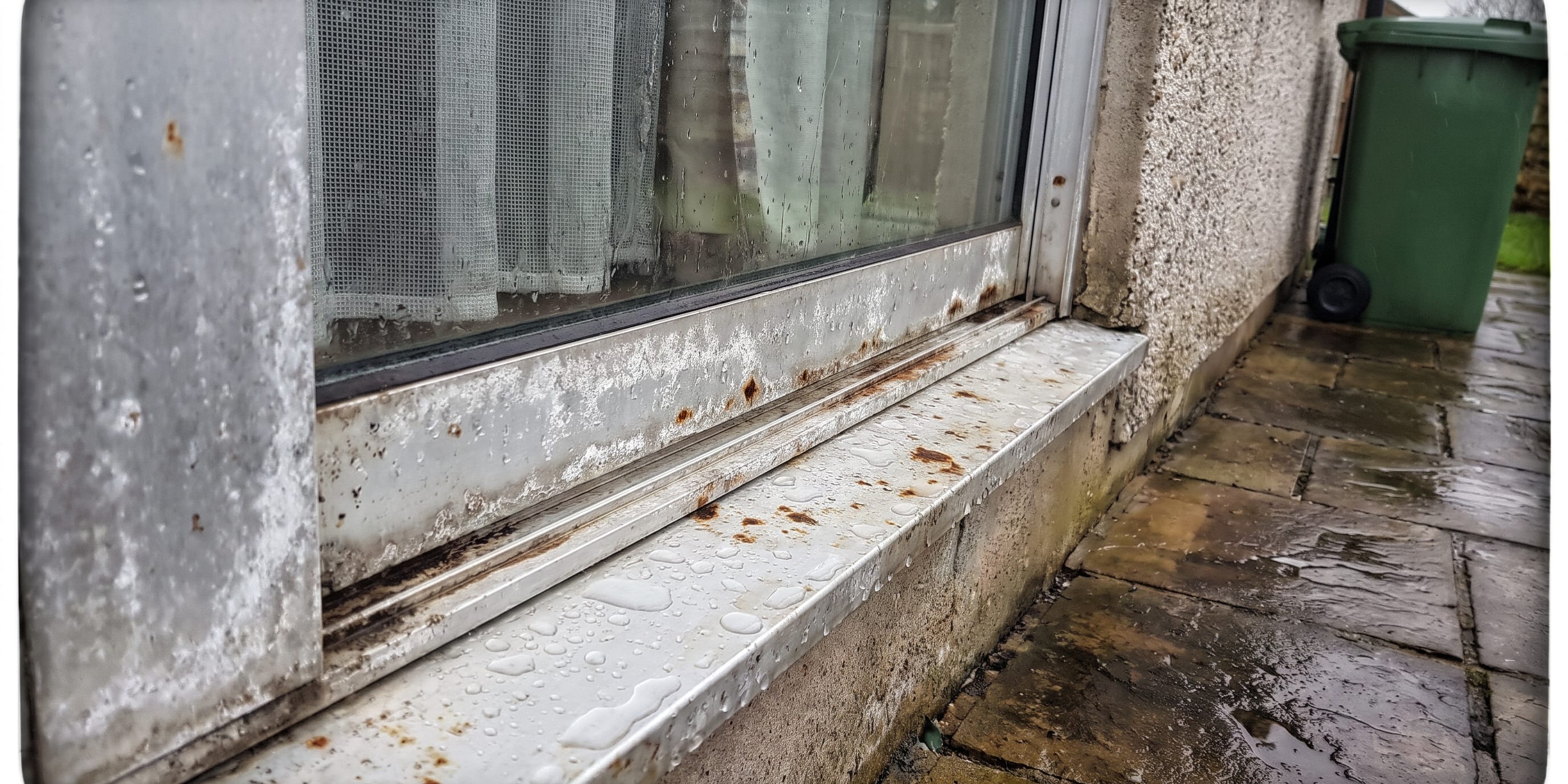
Old aluminium patio doors have a particular way of ageing. They do not usually fall apart. They just get harder to open, colder to stand next to, and wetter along the bottom rail every winter morning until one day you stop using them altogether and the curtain stays shut. By then the question is not really whether to replace, it is what actually changes if you do.
This is a practical walk through what happens when an old aluminium patio door is replaced with uPVC: what happens to the opening, how the fitting day runs, what you notice afterwards, and how to get one clear written price rather than four wildly different numbers.
First, is it finished or does it just need a service?
Not every tired patio door needs replacing. It is worth being honest about which category yours falls into, because a repair on a sound frame is far cheaper than a new door.
Signs that point towards repair rather than replacement:
- The rollers have worn. Sliding doors run on wheels that sit in a track. Wheels wear and tracks fill with grit. A door that drags but is otherwise square can often be lifted, cleaned and re-shod.
- One pane has misted. A blown sealed unit in an otherwise healthy frame is a glass job, not a door job.
- The lock or handle has failed. Mechanisms can often be matched and swapped.
- A single draught at one point. Perimeter brush seals and gaskets are replaceable items.
Signs that point towards replacement:
- The frame itself is cold. Older aluminium was frequently made without a thermal break, meaning the outside face and the inside face are effectively the same lump of metal. The frame conducts the cold straight through, which you can feel with the back of your hand on a January morning. No amount of servicing changes that.
- Condensation runs down the frame, not just the glass. Water beading on cold metal, pooling in the bottom track and leaving black marks on the plaster or the carpet edge is the classic end of life symptom.
- Seals have gone all the way round. When gaskets have shrunk, hardened and lifted along several edges at once, replacing them one at a time becomes a losing game.
- The door no longer closes squarely. If the sash has dropped and the lock only engages when you shoulder it, the geometry has gone.
- You have stopped using it. A door you avoid opening has already failed its main job.
What happens to the opening
This is the question most homeowners actually want answered, and the honest version is: usually less than you fear.
In a typical replacement, the structural opening stays exactly where it is. The old aluminium unit comes out, the new uPVC frame goes into the same space, and the brickwork, lintel and internal reveal are left alone. Nobody is knocking a hole in your wall.
What does change is the sightline. Older aluminium sections were slim, because metal is strong and the profiles could be kept narrow. uPVC frames and sashes are chunkier, because the material needs more section to do the same structural work and to house the insulation and the hardware. The practical effect is that a like for like swap into the same opening gives you slightly less glass and slightly more frame. On a wide patio opening this is barely noticeable once the curtains are back up. On a narrow opening, or where you are precious about the view, it is worth asking the surveyor to show you the actual frame width before you sign anything.
Builder’s work becomes relevant in a handful of situations, and a decent surveyor will spot them at the measure rather than on fitting day:
- The threshold has deteriorated. Old aluminium sliders sit in a low track that sometimes hides a tired timber or concrete sub-sill underneath. If it has rotted or crumbled, it needs making good before a new door sits on it.
- The lintel is suspect. Visible cracking or sagging above the opening needs looking at properly, not papering over with a new frame.
- The opening has been modified before. Previous alterations, packed out timber sub-frames and bodged infills all change what is actually behind the plaster.
- You want to change the size. Going wider, or keeping the same glass area despite the deeper uPVC sections, means altering the opening and that is genuine building work with its own cost and timescale.
A surveyor who measures the opening properly, checks the threshold and looks above the head of the door is doing the work that prevents nasty surprises later.
What actually improves day to day
Setting the marketing aside, here is how the performance changes day to day.
The frame stops being cold. Modern uPVC profiles are multi-chambered, and the air in those chambers does the insulating. Combined with modern double glazed units, the whole door assembly holds heat far better than an untreated aluminium frame, and that thermal performance gain is the one you feel first. The room next to it stops being the room everyone avoids.
Condensation drops. Most of the streaming water on an old aluminium door is warm indoor air hitting a cold metal surface. Warm the surface and the water has nowhere to condense. You will not eliminate condensation entirely, because ventilation and humidity still matter, but the daily wiping down tends to stop.
Draughts reduce sharply. New gaskets and brush seals compress properly against a frame that has not been distorted by thirty years of use. The whistle around the meeting stile goes.
Locking changes completely. Old patio sliders often rely on a single hook or latch at one point. Modern uPVC patio doors use multi-point locking, engaging at several places up the sash when you lift the handle, which pulls the door tight against the seals as well as securing it. The security benefit is obvious. The less obvious benefit is that it is also the thing that kills the draught, because the door is being clamped rather than just held.
The slide gets easy again. New running gear on a new track, correctly adjusted, moves with one hand. It is a surprisingly large quality of life change on a door you use daily.
What install day actually looks like
For a single patio door going into an existing opening, a straightforward replacement is commonly a one day job.
The sequence is usually: protect the floor and the surrounding area, take out the glass from the old aluminium sliders, lift out the sashes, then cut and remove the old frame. Aluminium frames are typically removed in sections rather than wrestled out whole, which keeps the surrounding plaster and brickwork intact.
The opening is then cleaned down and checked. The new uPVC frame is offered up, levelled, packed and fixed. The sashes and glazed units go in, the hardware is fitted and the door is adjusted so it runs and locks correctly. Finally the perimeter is sealed externally, trims are fitted internally and the handover happens: how the lock works, how the restrictors work, how to clean the track.
The old aluminium unit and the old glass should leave with the fitters. Disposal is normally included, but it is a reasonable thing to confirm in writing rather than assume, along with who is responsible for making good any internal decoration at the edges.
Why quotes vary so wildly, and how to avoid the mess
Homeowners shopping for a patio door replacement often end up with numbers that differ enormously for what sounds like the same job. There are recurring reasons.
Phone and email quotes without a survey. A price given before anyone has seen the threshold, the lintel or how the existing frame is fixed is a guess. Guesses get corrected upwards once the old door is out.
Subcontracted fitting. Where the selling company and the fitting team are separate businesses, responsibility for anything unexpected can become a conversation you are stuck in the middle of.
Different things being priced. One quote includes disposal, making good and trims. Another quotes the door only. They are not comparable, but they look it.
Open ended extras. Vague wording about additional work "if required" leaves the final figure undefined until fitting day.
The cure is simple and worth insisting on regardless of who you use. Have someone come to the house, measure the opening, check the threshold and the head, and then issue one written price covering supply, fit, sealing, disposal and any making good that has been identified. If something genuinely unforeseeable appears once the old frame is out, that should be a conversation with a figure attached before anyone carries on, not a line added to the invoice afterwards.
The paperwork to check for
Replacement external doors fall under building regulations. There are two things worth confirming on any patio door job.
FENSA registration. A FENSA registered installer can self certify that the installation meets the relevant building regulations and arrange your certificate, so you do not have to apply to building control separately. That certificate is also the document a buyer’s solicitor will ask for when you come to sell.
A ten year insurance-backed guarantee. The installer’s own guarantee is only as durable as the installer. An insurance-backed guarantee is underwritten separately, so the cover survives if the company does not. Ask whether it is included and ask to see the policy document, not just a mention on the quote.
Neither of these is a selling point unique to anybody. They are the baseline you should expect, and the absence of either is worth asking about.
Swapping a dead aluminium slider for a well fitted uPVC unit is one of the less dramatic home improvements, which is rather the point: the opening stays as it is, the work is usually done in a day, and what changes is how the room feels for the rest of the year. If you want the opening measured properly and a single written figure rather than a range, our patio and French doors page sets out how we handle survey, fitting and guarantees.
Questions
Frequently Asked Questions
Can a uPVC patio door go straight into an old aluminium opening?
In most cases yes. The structural opening stays as it is and the new frame is fitted into the same space once the old unit is out. Builder’s work is only needed where the existing opening has been altered over the years, where the threshold or lintel has deteriorated, or where you want the glass area kept the same and the opening therefore has to grow.
Will a uPVC patio door look bulkier than my aluminium one?
The frame and sash sections on uPVC are generally deeper than older aluminium, so you lose a little glass at the edges. On a wide opening it is barely noticeable. On a narrow one it is worth seeing the actual sightlines before you commit, which a surveyor can talk through at the measure.
How long does a patio door replacement take?
A straightforward single patio door swap is commonly a one day job, covering removal, fitting, sealing and tidying up. Openings that need making good, or jobs where more than one door is being changed, can run longer and should be set out in writing before work starts.
Does replacing a patio door need to be registered?
Replacement external doors and windows fall under building regulations. A FENSA registered installer self certifies the work and arranges the certificate, which saves applying to building control separately and gives you paperwork to hand over when you sell.
Is it worth repairing an old aluminium patio door instead?
If the frame is sound and the problem is rollers, a lock or a single blown unit, repair is usually the sensible route. If the frame itself is running cold, seals have gone around the perimeter and the door no longer closes squarely, repairs tend to buy months rather than years.