
Morning Condensation on Windows: Will New Windows Stop It?
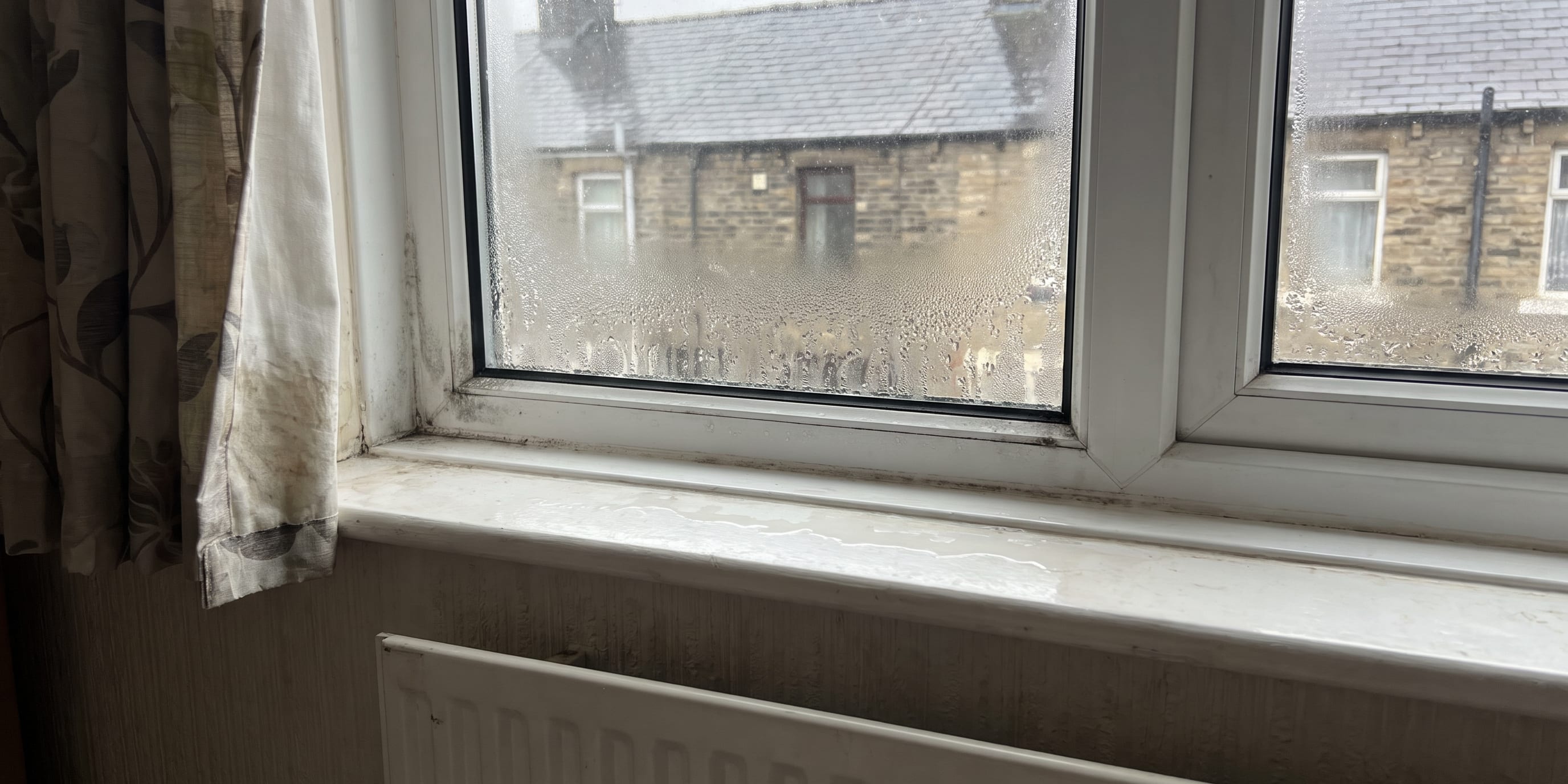
Most mornings it is the same thing. You pull the curtains back and the bottom third of the glass is running with water, there is a damp line on the sill, and if it has been going on long enough there is a grey bloom of mould creeping along the seal.
Search for a fix and you will find the same advice over and over: open a window, buy a dehumidifier, put a bowl of salt on the windowsill, stop drying washing on the radiator. Some of that is sound. Most of it is written for people who rent and cannot touch their windows. If you own your home and you are weighing up whether to spend money on replacement glazing, what you actually need to know is simpler: is your condensation a moisture problem or a cold glass problem?
They look identical on the windowsill. They have completely different solutions. This guide gives you a way to tell them apart before you spend anything.
First, work out which kind of condensation you have
Walk up to the window with a dry cloth and wipe the misted area.
If the mist wipes away and the glass underneath is clear, the moisture is sitting on the room-facing surface of the glass. This is internal surface condensation. It is warm, humid indoor air hitting a cold pane and giving up its moisture, the same thing that happens to a cold drink on a summer afternoon. It typically appears overnight, is worst in the early morning, is heaviest at the bottom of the pane, and often reduces or disappears once the heating has been on for an hour or two.
If the mist is inside the glass and you cannot touch it, the sealed unit has failed. The two panes of a double glazed unit are separated by a spacer bar and sealed around the edge. The cavity is kept dry, normally with a desiccant in the spacer and often filled with an inert gas. When that seal breaks down, damp air gets into the cavity, condenses, and has nowhere to go. You will see permanent haze, sometimes a drying tide mark or a chalky white residue on the inner faces, and it will be worst in direct sun or on cold mornings. It never fully clears, and no amount of ventilation will touch it because the moisture is not in your room.
If the condensation is on the outside of the glass, nothing is wrong at all. External condensation on a clear, cold morning usually means the unit is performing well and losing very little heat to the outer pane. It is a mild nuisance, not a fault.
That single wipe test tells you most of what you need to know.
Why cold glass causes condensation even in a well-ventilated house
Air holds a certain amount of water vapour depending on how warm it is. Cool it down and it reaches a point, the dew point, where it cannot hold that moisture any more and releases it onto the nearest cold surface. In a heated house in winter, the coldest surface in the room is almost always the glass.
Single glazing is a single sheet of glass with outdoor air on one side. Its inner surface sits close to outdoor temperature, so on a frosty night it is cold enough to trigger condensation from perfectly normal indoor humidity. You are not doing anything wrong. Four people breathing in a house overnight produces a surprising amount of water vapour, and single glazing will condense it every time.
Older double glazing is better, but a sealed unit fitted decades ago has a wide air gap with no low emissivity coating and no gas fill, often set in a frame with little thermal separation. If that unit has also lost its seal, the cavity is no longer dry or insulating and the inner pane runs colder still. You can ventilate a house like that thoroughly and still wake up to wet windows, because the problem is not how much moisture is in the air. It is how cold the glass is.
This is the point that generic advice misses. Ventilation lowers the humidity. Insulation raises the surface temperature. If the surface temperature is the problem, ventilation is working against the wrong variable.
What ventilation fixes can and cannot do
They are worth doing, so be clear about what you get.
Opening windows for ten minutes in the morning flushes out the humid air that built up overnight. It is genuinely effective and costs nothing. It also lets the heat out, which is why most people stop doing it in January.
Trickle vents are better than the window-opening approach because they work continuously and slowly, keeping humidity down without dumping your heat. If your current windows have no trickle vents, adding them as part of a replacement makes a real difference overnight.
Extractor fans in the kitchen and bathroom deal with moisture at source, which is where the bulk of it comes from. A shower and a pan of boiling potatoes put far more water into the air than people do.
A dehumidifier pulls moisture out of the air directly and does work, particularly in a bedroom.
Salt, chalk, moisture traps and the various homemade remedies absorb a small quantity of water in their immediate vicinity. They do not meaningfully change the humidity of a whole room, and they will not keep a cold pane dry.
Critically, none of these does anything at all for a failed sealed unit. The misting is sealed inside the glass. You could run a dehumidifier in that room permanently and the haze would not shift. If the wipe test told you the moisture is between the panes, stop buying moisture traps.
What changes with a modern replacement window
A current insulated glass unit is a different product to a 1990s one. The inner pane carries a low emissivity coating that reflects heat back into the room instead of letting it radiate out through the glass. The cavity is sealed, dry and usually gas filled rather than simply holding air. The spacer bar around the edge can be a warm edge type rather than plain aluminium, which stops the perimeter of the pane acting as a cold bridge, and that matters because the bottom edge is exactly where condensation collects.
The frame matters as much as the glass. The REHAU TOTAL70 uPVC system we fit uses a multi chamber profile, so the frame itself resists heat loss rather than running cold around the edge of the sealed unit.
The measure that pulls all of this together is the U-value, which describes how quickly heat passes through the whole window. A low U-value window loses less heat outwards, and because less heat is escaping through the glass, the inner pane stays warmer. That is the number that actually relates to condensation. A single glazed window has a very high U-value and an inner surface close to outdoor temperature. A modern low U-value unit in an insulated frame holds an inner surface far closer to the temperature of the room.
That is the mechanism. The glass stops being the cold surface your indoor air condenses onto, so normal household humidity no longer reaches dew point against it. In a house where the humidity is reasonable and the only issue was old, cold glazing, morning condensation usually stops being a daily event.
When new windows will not fix it
This is the part worth being honest about, because replacement is a significant spend and it does not solve every damp window.
If your home has more moisture in it than the ventilation can remove, you will get condensation on a brand new window too. The new glass will be warmer, so it will take a colder night to trigger it, but the moisture has to go somewhere. Common causes:
- Drying washing indoors, especially on radiators or in an unventilated bedroom. A single load holds litres of water, all of which ends up in your air.
- No working extraction in the kitchen or bathroom, or a fan that runs but vents into a loft rather than outside.
- Overcrowded or underheated rooms, where doors stay shut and the air never moves.
- Rising or penetrating damp, a leaking gutter soaking a wall, or a failed seal around a sill. This shows as damp walls as well as wet windows, often with a tide mark or salt deposits on the plaster.
- Unvented tumble dryers or boiling without a lid on.
If any of those describe your house, deal with them first or alongside the glazing. A reputable installer should tell you this rather than selling you windows and leaving you with the same wet sills in December. If there is any sign of structural damp, that needs a damp specialist, not a window fitter.
The practical next step
The decision comes down to a diagnosis, not a sales pitch. Do the wipe test on every affected window and note what you find. Misting between the panes means the units have failed and replacement is the only real fix. Surface condensation on single glazing or tired old units points strongly at cold glass. Surface condensation on glazing that is already modern and well sealed points at moisture and ventilation instead.
Where it is genuinely unclear, it is worth having someone look at the units in person, check the seals and frames, and confirm what has actually failed before anything is quoted. If you would like that assessment, you can see what is involved in our double glazing upgrades and arrange a home visit and written quote, with no obligation, to get a straight answer on whether new windows will solve your morning condensation or whether something else needs sorting first.
Questions
Frequently Asked Questions
Is condensation on the inside of my windows a sign the double glazing has failed?
Not necessarily. Condensation on the room-facing surface of the glass, the side you can wipe, is usually about cold glass meeting humid air and often clears as the day warms up. Failed double glazing shows as misting trapped between the two panes, which you cannot wipe away and which never fully clears.
Will new windows stop condensation completely?
They will stop it in most homes where the cause is cold glass, because a modern insulated unit keeps the inner pane far closer to room temperature. They will not stop it if the real problem is excess moisture from poor extraction, drying washing indoors, or rising or penetrating damp. Those need addressing separately.
Do trickle vents actually help with condensation?
Yes, within limits. Trickle vents give a slow, continuous exchange of air that stops humidity building up overnight, which is exactly when most condensation forms. They cannot warm up cold glass, and they do nothing for a sealed unit that has already failed.
Why does condensation appear on some windows but not others?
Usually because those rooms are colder, less ventilated, or produce more moisture. North facing rooms, bedrooms with the door shut overnight, and rooms above a cold space often show it first. If one window in a row mists up and the others do not, that single unit may have failed.
Can I just use salt, a dehumidifier or a window vac instead of replacing the windows?
Those reduce the symptom and are worth doing in the short term. A dehumidifier is genuinely effective at lowering indoor humidity. None of them changes the surface temperature of the glass, so in a house with single glazing or old sealed units the condensation tends to return the next cold morning.